The New Era of Sustainable Packaging: How Ceramics Fit Naturally Into the Future of the Sector
The packaging industry is undergoing one of the most profound transformations in its recent history. Sustainability has shifted from an aspirational value to a regulatory requirement; users expect packaging that offers something more; and innovation is pushing brands to explore materials that communicate coherence, responsibility and differentiation. Within this new ecosystem—where nothing will quite be the same as before—ceramics has evolved from a traditional material into a material of the future.
A Regulatory Framework That Opens New Opportunities for Ceramics
With the arrival of the new EU Packaging and Packaging Waste Regulation (PPWR), which will be fully enforced in 2026, the way packaging must be conceived across the European Union is being redefined. Reuse, waste reduction, clear end-of-life pathways and greater traceability will become essential for any brand operating in the European market. But within this new legislative architecture, ceramics offer a nuance we’ve already discussed earlier: ceramic packaging is not required to have its own recycling circuit, unlike plastic, glass or metal.
This exemption does not mean that ceramics cannot participate in circularity; they do so differently, relying on durability and reuse. And this puts ceramics in a strategic position: while other sectors must adapt to strict rules around collection and processing, ceramics can focus their sustainability on something much more tangible and direct for the user—preventing waste from the start.
Meanwhile, technical research continues to advance. As explained in the feature on the French pilot project, there are already trials exploring the joint recycling of ceramic packaging with other ceramic waste streams, such as sanitaryware or construction materials. It is not a legal requirement, but an emerging field of innovation that makes circularity possible when reuse is no longer an option.
Under the new European regulation, ceramic packaging is exempt from the obligation to have its own dedicated recycling stream.
A Package That Becomes an Object
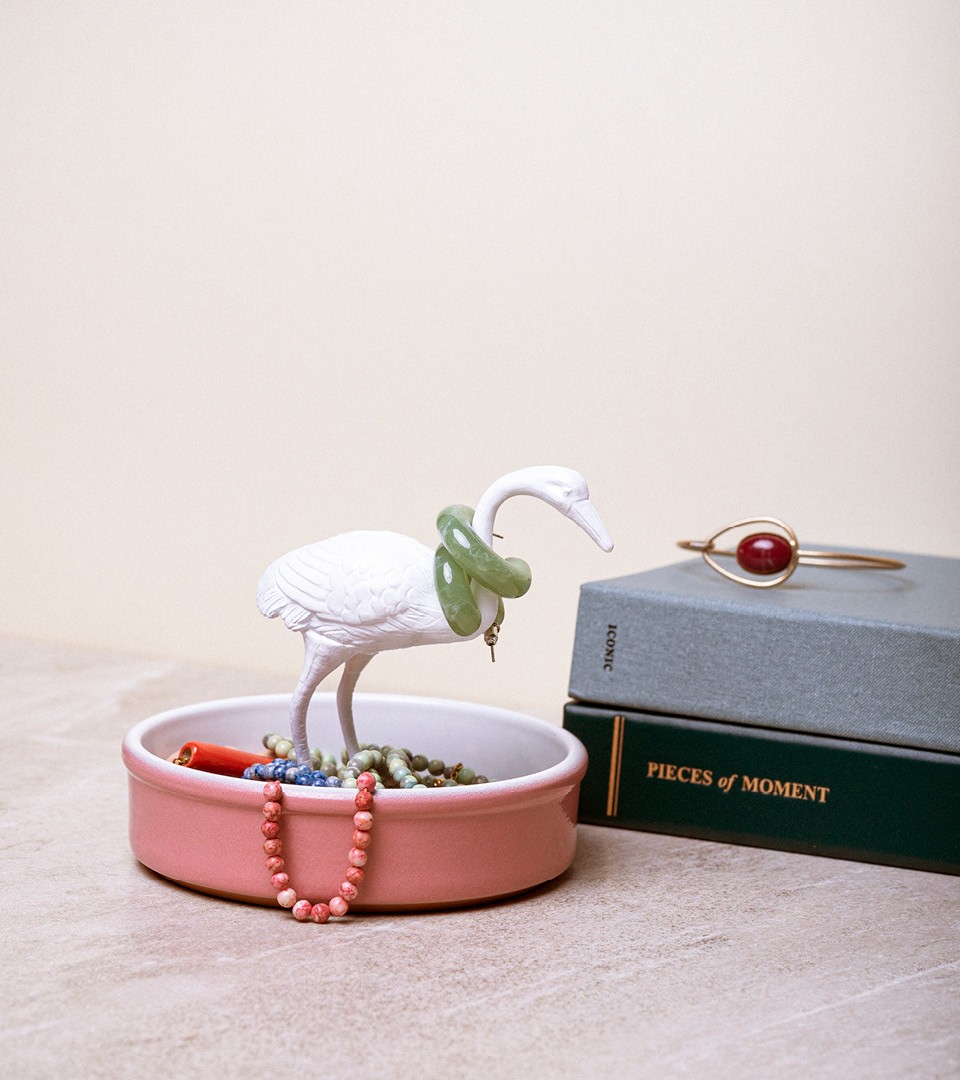
One of the most fascinating aspects of ceramics is their ability to transcend the concept of “packaging.” It is not just a container protecting food, sauces or desserts: it is an object with presence, texture and an aesthetic that invites the consumer to keep it. This shift—from supermarket shelf to household object—places ceramics perfectly within today’s sustainable mindset.
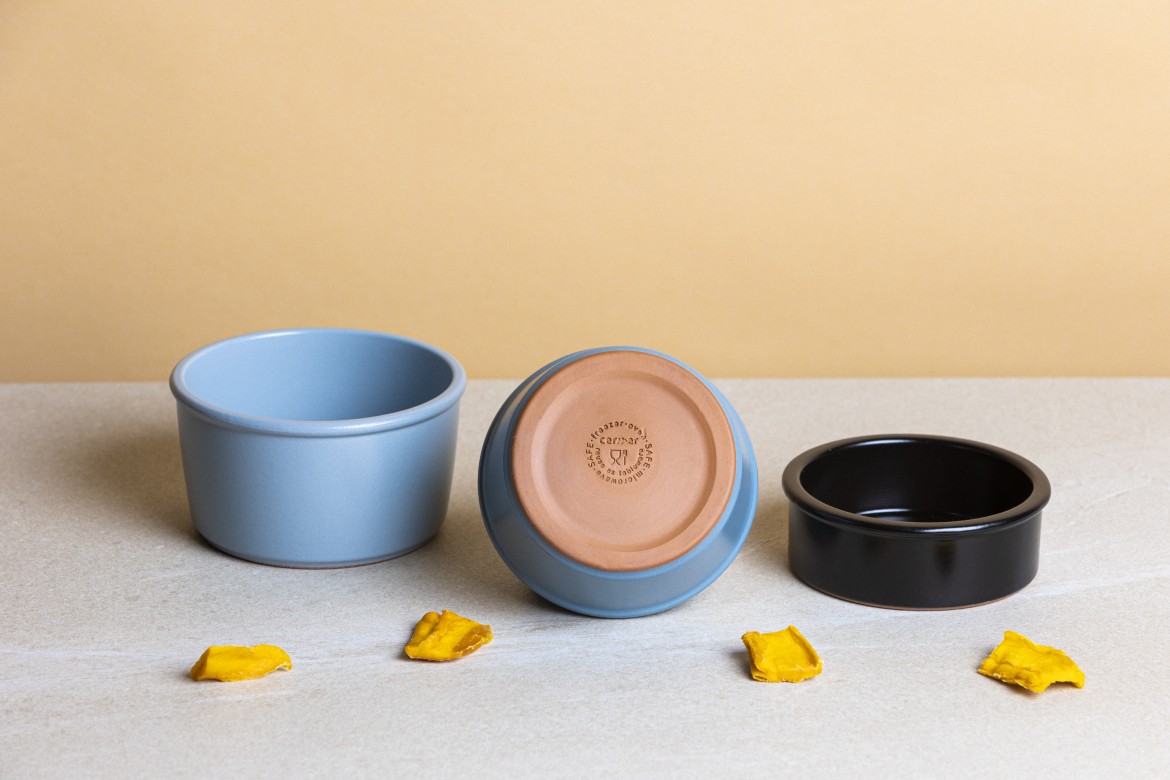
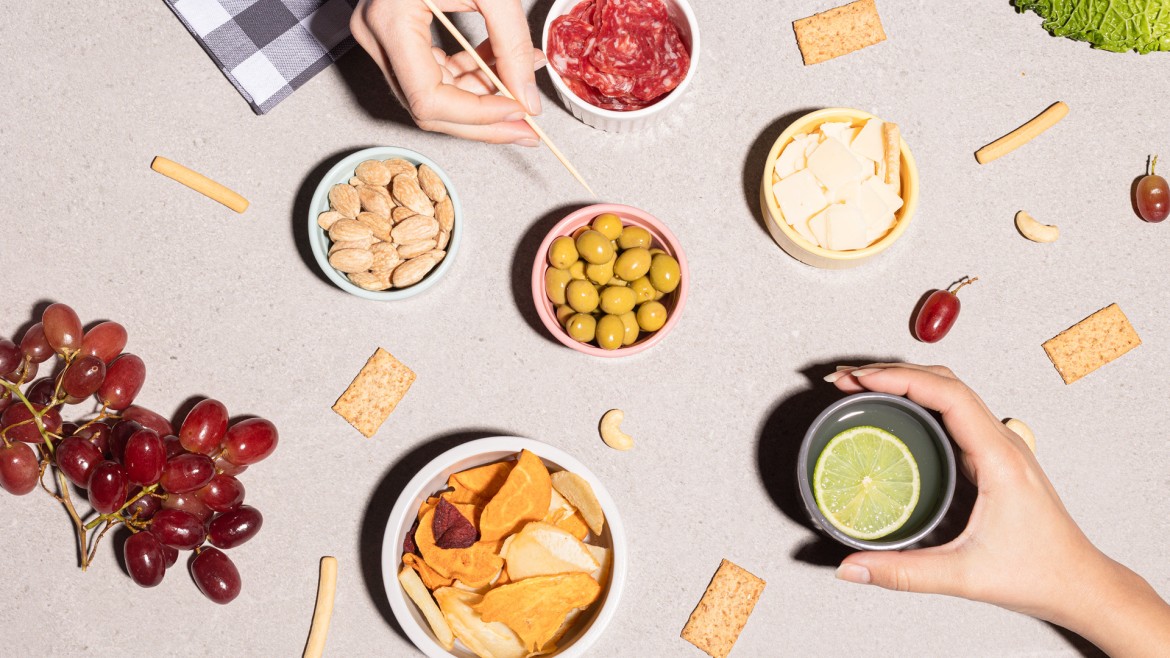
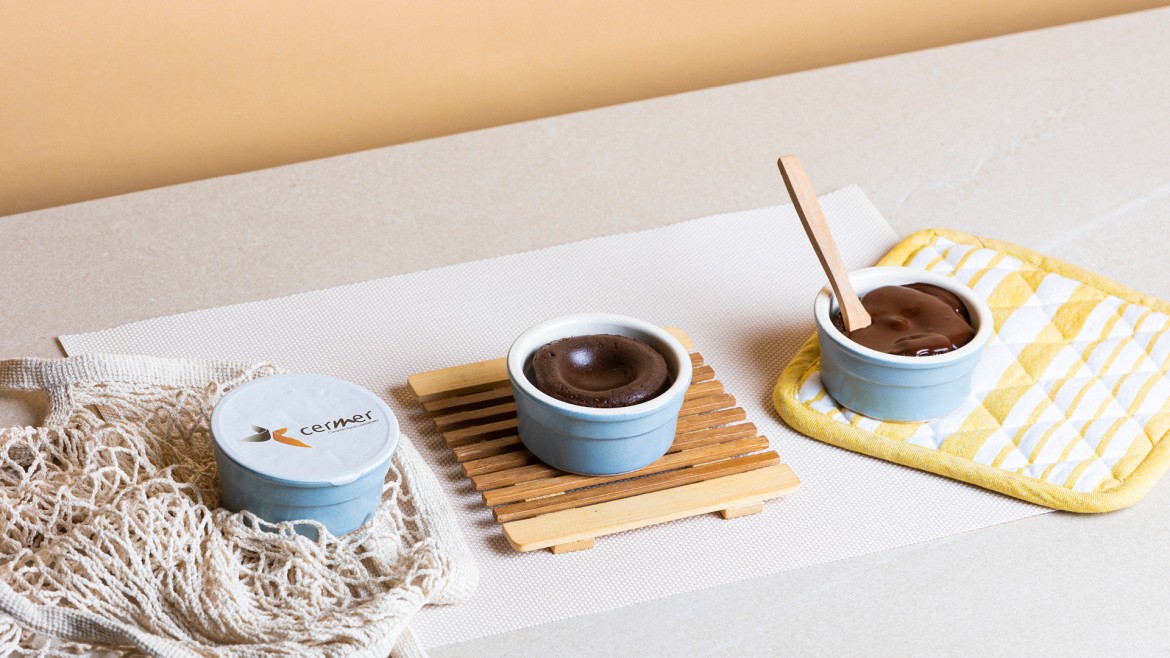
Cermer’s ceramic packaging is designed to last: it is resistant, stable, food-safe and suitable for microwaves, ovens and freezers. Its natural essence—clay, water and fire—gives it a timeless character that suits all kitchen styles and all generations of users. When a ceramic container becomes a breakfast bowl, a small cup for appetizers or a dish that joins the tableware set, a form of circularity based on organic reuse naturally emerges. It is not a behaviour imposed by regulation, but a consequence of design.
This not only reduces waste—it creates identity. A reused ceramic container is a constant reminder of the brand that created it, building an emotional connection impossible to achieve with disposable materials.
When a container stays at home, the brand stays as well.
A Future Moving Toward 2026 With Trends That Favour Ceramics
The horizon of 2026 suggests a market that will no longer value packaging solely for its function, but for its ability to integrate into a more conscious lifestyle. Reuse, driven by regulation, will become the norm; and consumers will seek packaging that offers beauty, material honesty and durability.
Ceramics naturally anticipate these trends. In a world tired of plastics and short-lived materials, ceramics offer authenticity. In a context where refills and return-to-store models are gaining momentum, ceramics provide resistance and thermal stability. And in a landscape where packaging is becoming an extension of the product experience, ceramics serve as the perfect medium for narratives based on quality, heritage and innovation.
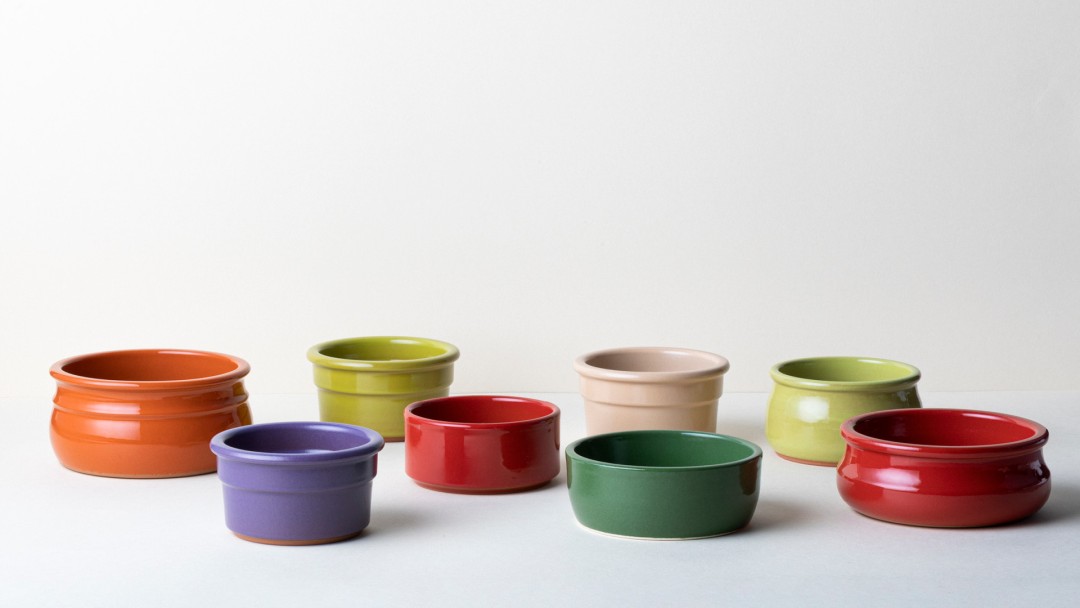
Many emerging projects point toward this future: brands experimenting with premium editions served in small ceramic bowls; product ranges encouraging consumers to keep the container as part of their tableware; reuse programmes where containers are returned to the store for washing and refilling; or industrial pilots studying how to integrate recycled ceramics into new applications. Together, they all point toward a shared direction: the end of disposable packaging as the standard model.
Reuse as a Branding Strategy
For Cermer, reuse is not an add-on but a philosophy embedded in design from the very beginning. Creating packaging that becomes an everyday object is a deep form of sustainability—one that manifests itself in people’s homes beyond any external label or certification.
At the same time, it offers a unique branding opportunity: when a ceramic container remains on the table or in the kitchen, the brand remains with it. This long-lasting presence is simply impossible for single-use packaging. And in a market where customer loyalty is increasingly hard to build, the value of an object that stays becomes strategically significant.
The future of packaging will differ radically from its recent past. Recycling alone will no longer be enough—brands will need to encourage reuse, extend product lifecycles and prevent waste from the outset. And in this new paradigm, ceramics don’t just fit in—they lead.